
Fun fact: I wrote an essay on this exact topic in college - and my take hasn’t change much.
Remember when being a kid basically meant being outside until someone yelled your full government name from the front porch?
Bike rides. Recess. Running around the neighborhood. Swimming until your fingers got wrinkly. Signing up for whatever sport your friends were doing that season.
Today, kids have a lot more competing for their attention. Between homework, screens, video games, social media, and increasingly busy schedules, simply moving can sometimes feel like another activity that has to be squeezed onto the calendar.
And that’s where youth sports come in.
Sports are obviously a great way to get kids moving, but the benefits go way beyond physical fitness. They can help kids develop confidence, friendships, leadership skills, resilience, and a healthy relationship with movement that can stick with them well into adulthood.
Basically: we're not just raising athletes. We're raising humans.
The Physical Stuff Matters, Too
Let's start with the obvious: kids need to move.
Regular physical activity can support cardiovascular fitness, coordination, balance, muscular and skeletal development, healthy sleep patterns, and maintaining a healthy weight.
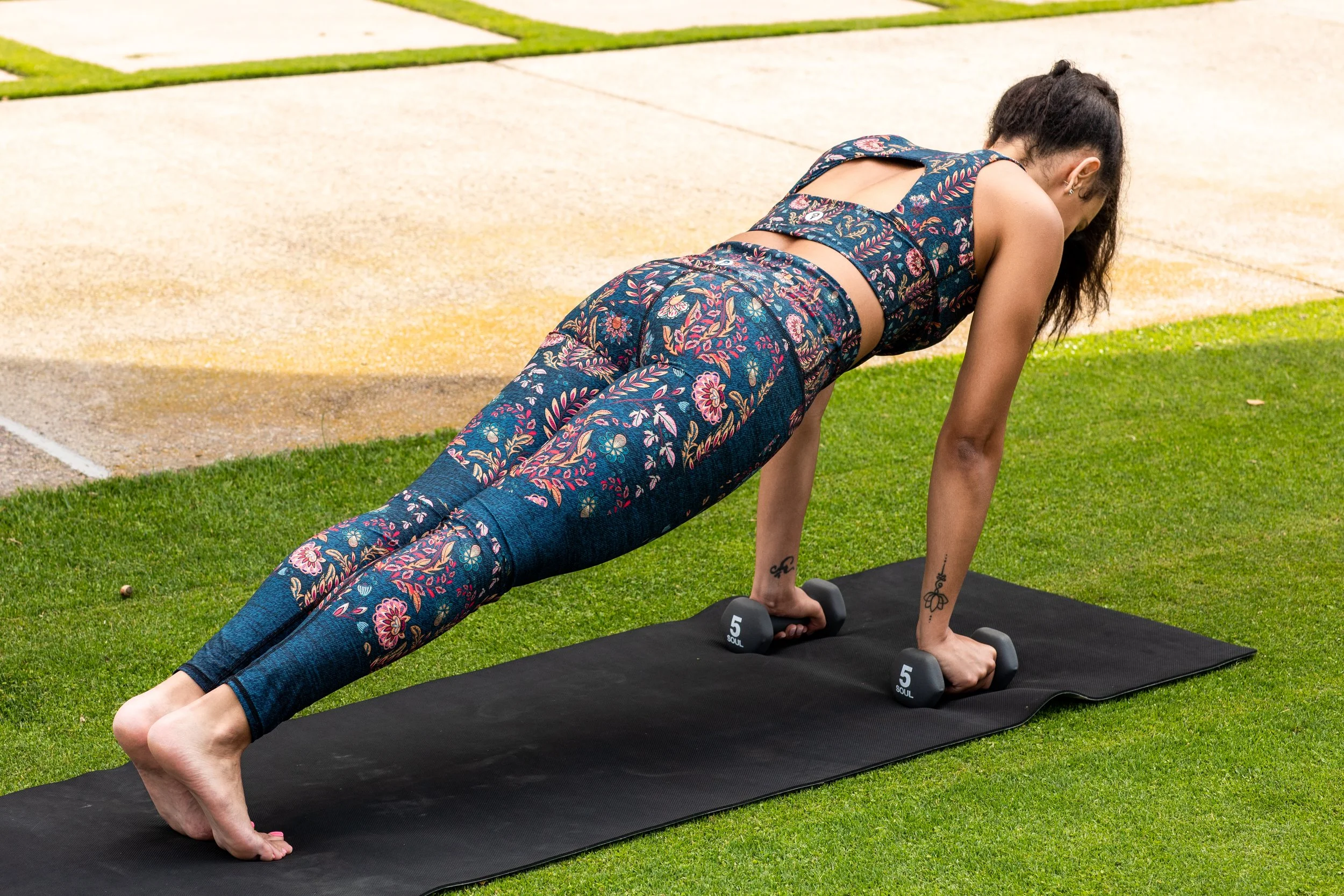
But here's the thing: exercise doesn't have to look like exercise when you're a kid.
A soccer game is running. Swimming is cardio. Dancing is cardio. Gymnastics is strength + coordination. Running around a playground for 45 minutes because your friend dared you to is... honestly, elite athletic training.
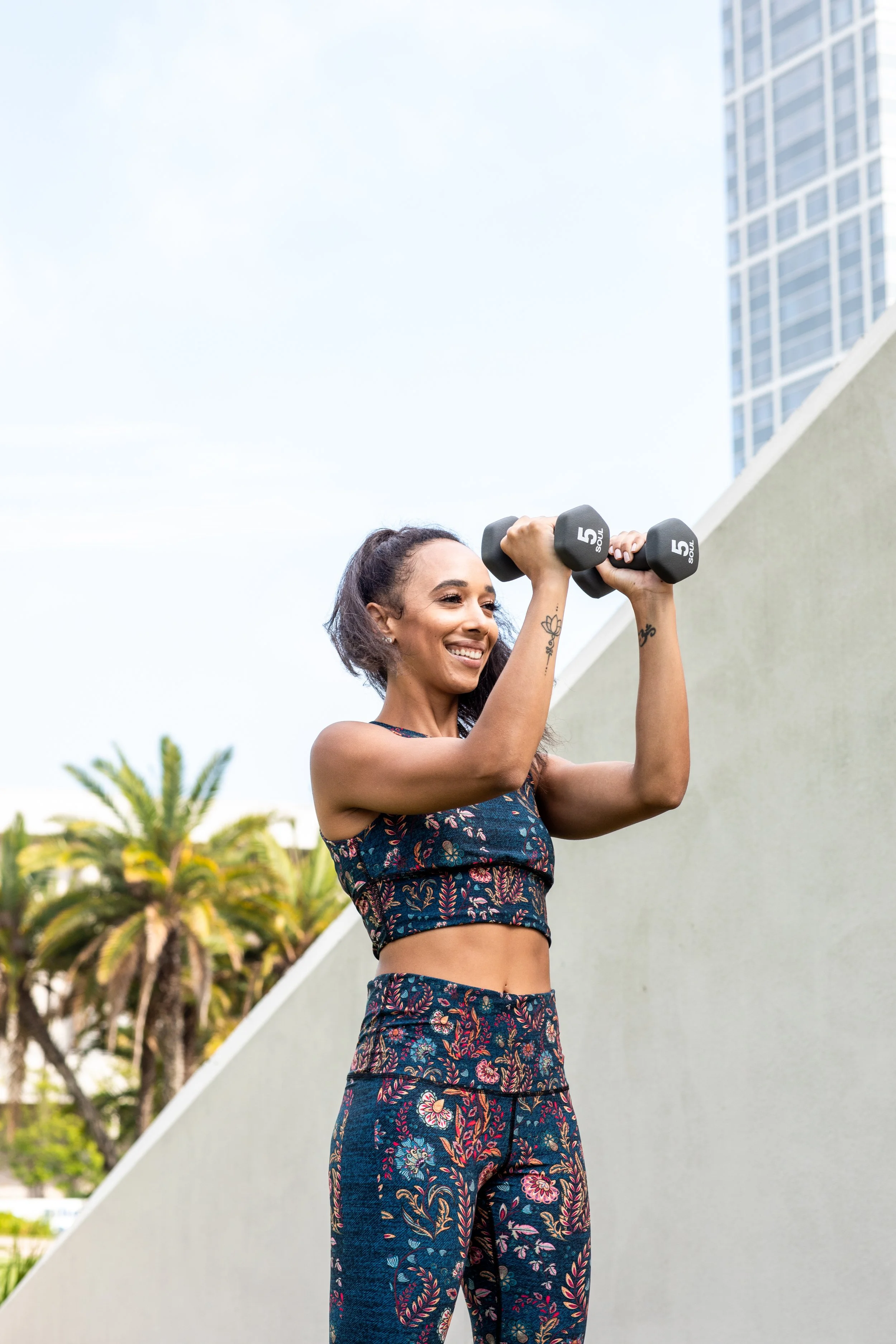
The goal isn't necessarily to create the next Serena Williams or LeBron James. It's to help kids discover that moving their bodies can actually be fun.
And that matters because habits formed early can influence how we approach movement later in life.
It's Not Just About the Body
This is the part I think gets overlooked.
Youth sports can also be a pretty incredible crash course in life.
You learn how to be part of a team. You learn how to communicate. You learn how to lose without the world ending. You learn how to practice something you're terrible at and eventually get better. You learn how to trust other people. You learn how to lead. You learn how to show up even when you're not particularly in the mood to show up.
Sports can also support confidence, self-esteem, social connection, and emotional well-being.
And for kids who struggle to find their people at school, a team can become their community.
That feeling of “these are my people” can be just as valuable as the physical activity itself.
Parents: You Don't Have to Be a Sports Parent™️
You don't need to spend every weekend standing on the sidelines with a folding chair, orange slices, and a personalized team hoodie.
Adults can encourage healthy movement in much simpler ways.
Walk somewhere instead of driving when you can. Ride your bikes together. Go swimming. Take the dog for a walk. Play at the park. Dance around the kitchen. Cheer at their games. Put your phone down and go outside with them.
Kids notice what we do.
If movement is something they see as a normal part of everyday life - not something adults force themselves to do because they have to - it can become a much more positive experience.
How Young Is Too Young?
A totally fair question.
For very young children, the goal doesn't need to be organized, competitive sports. Under about five, simple movement and play are generally more appropriate than worrying about winning games or mastering a specific sport.
Think:
Run. Jump. Climb. Throw. Catch. Dance. Explore.
Once kids get older, organized sports can be a great opportunity to learn skills, teamwork, and discipline - but there's an important distinction here:
The goal should be development, not domination.
Kids don't need a professional-athlete training schedule at age eight.
In fact, specializing in one sport year-round without enough rest can contribute to overuse injuries. Young athletes need recovery, variety, and the chance to simply be kids, too.
And safety matters. Age-appropriate equipment, qualified supervision, proper instruction, and reasonable training schedules should always be part of the equation.
Because the goal is to create a lifelong love of movement - not an early retirement from it.
Let Kids Try Stuff
One of the best things about being a kid is getting to figure out what you like.
Maybe it's soccer.
Maybe it's ballet.
Maybe it's swimming.
Maybe it's tennis.
Maybe it's gymnastics.
Maybe it's the most chaotic game of tag you've ever witnessed.
It doesn't really matter.
The important thing is giving kids opportunities to move, try new things, make friends, and discover what makes them feel strong and capable.
Because an active childhood isn't just about preventing health problems down the road.
It's about giving kids the opportunity to build confidence right now.
The Après Sweat Take
We're obviously big believers in moving your body around here - but we're even bigger believers in making movement something you actually want to do.
And that starts young.
Kids don't need to be told that exercise is something they should do. They need opportunities to experience movement as play, connection, competition, creativity, and fun.
Because the kid who grows up associating movement with joy is a whole lot more likely to become the adult who keeps moving.
So let's make movement fun. Let them try the sport. Let them be bad at it. Let them switch sports. Let them run around outside. Let them play.
The goal isn't to raise a generation of professional athletes.
It's to raise a generation that knows how good it feels to move.
Sources
Marianne Engle, PhD, “Sports and Kids: Pathway to Healthy Development,” NYU Child Study Center.
“Children and Sport,” Better Health Channel, Victoria, Australia.