





Fast fashion makes it incredibly easy to convince ourselves that we need something new. A $20 top here, a “just because” order there, and suddenly our closets are overflowing with pieces we barely wear. But behind the convenience and constant newness is a much bigger environmental cost. The fashion industry uses enormous amounts of water and energy, produces textile waste, and contributes to pollution throughout the process of making, shipping, wearing, and eventually tossing our clothes.
And listen, I’m not here to tell you to never shop again or suddenly become a minimalist. I love a new outfit as much as the next girl. But I do think there’s something to be said for slowing down and asking ourselves: Will I actually wear this? Do I already own something similar? Is this something I’ll still love next year? Buying less, rewearing what we already own, shopping secondhand, choosing quality when we can, and taking care of the clothes we have are all small ways to make our wardrobes a little more thoughtful. Sustainability doesn’t have to mean perfection - it can simply mean being a little more intentional with what we bring into our lives.
1. Shop your own closet first.
Before buying something new, take a second look at what you already own. Sometimes the dress you forgot about in the back of your closet just needs a new pair of shoes, a different jacket, or a little styling refresh to feel brand new.
2. Repeat outfits.
Take out your favorite jeans! Wear the dress again. Rewear the outfit you got a million compliments on. We don’t need a brand-new look every time we leave the house, and honestly, there’s something chic about knowing exactly which pieces make you feel your best.
3. Borrow from your friends.
Have a wedding, birthday dinner, or event coming up and really don’t want to buy another outfit? Ask your friends! Borrow that dress you’ve been eyeing in your bestie’s closet, trade pieces for the weekend, or start a little group chat when you need an outfit. You get something new-to-you without actually buying something new.
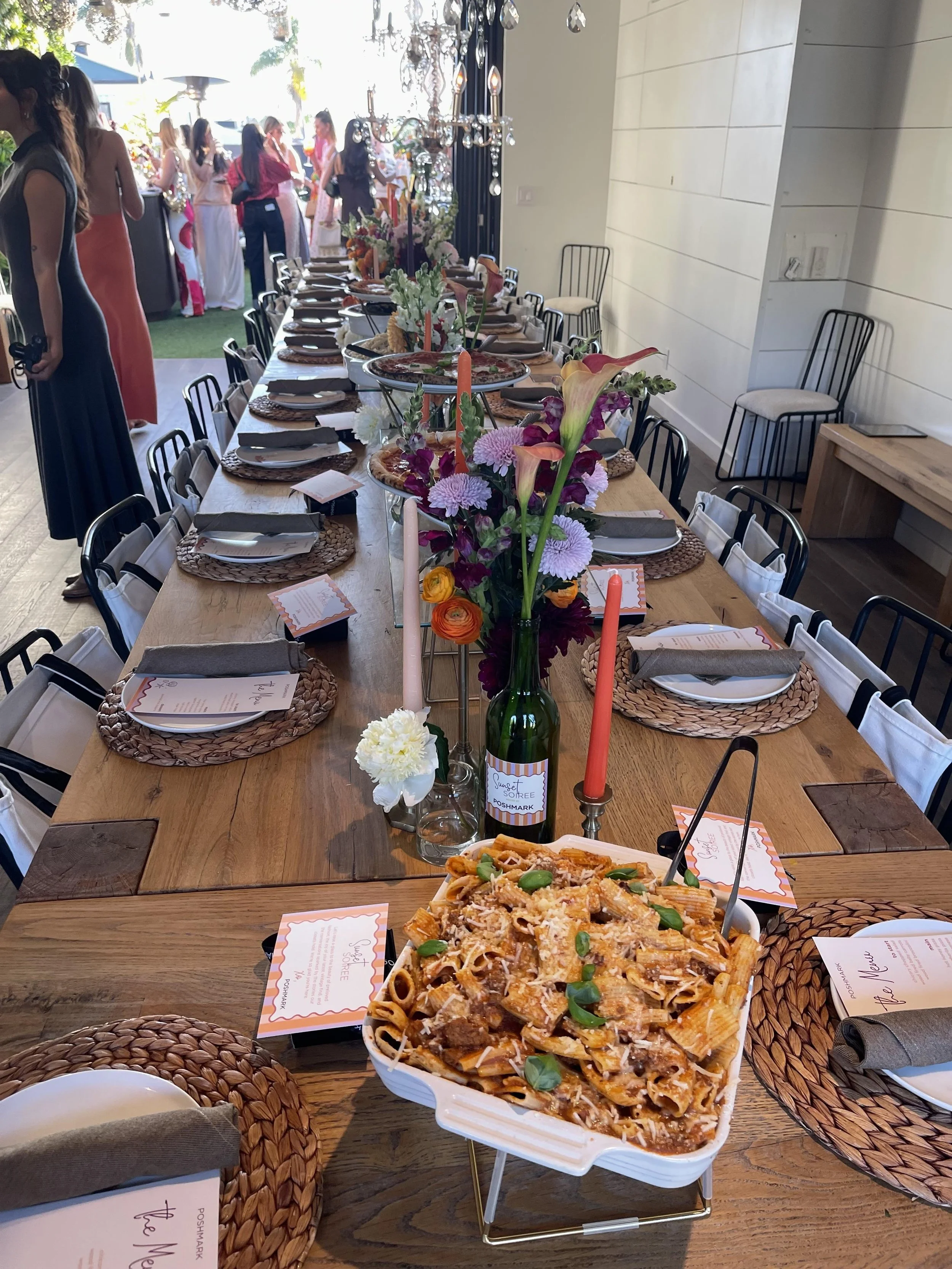
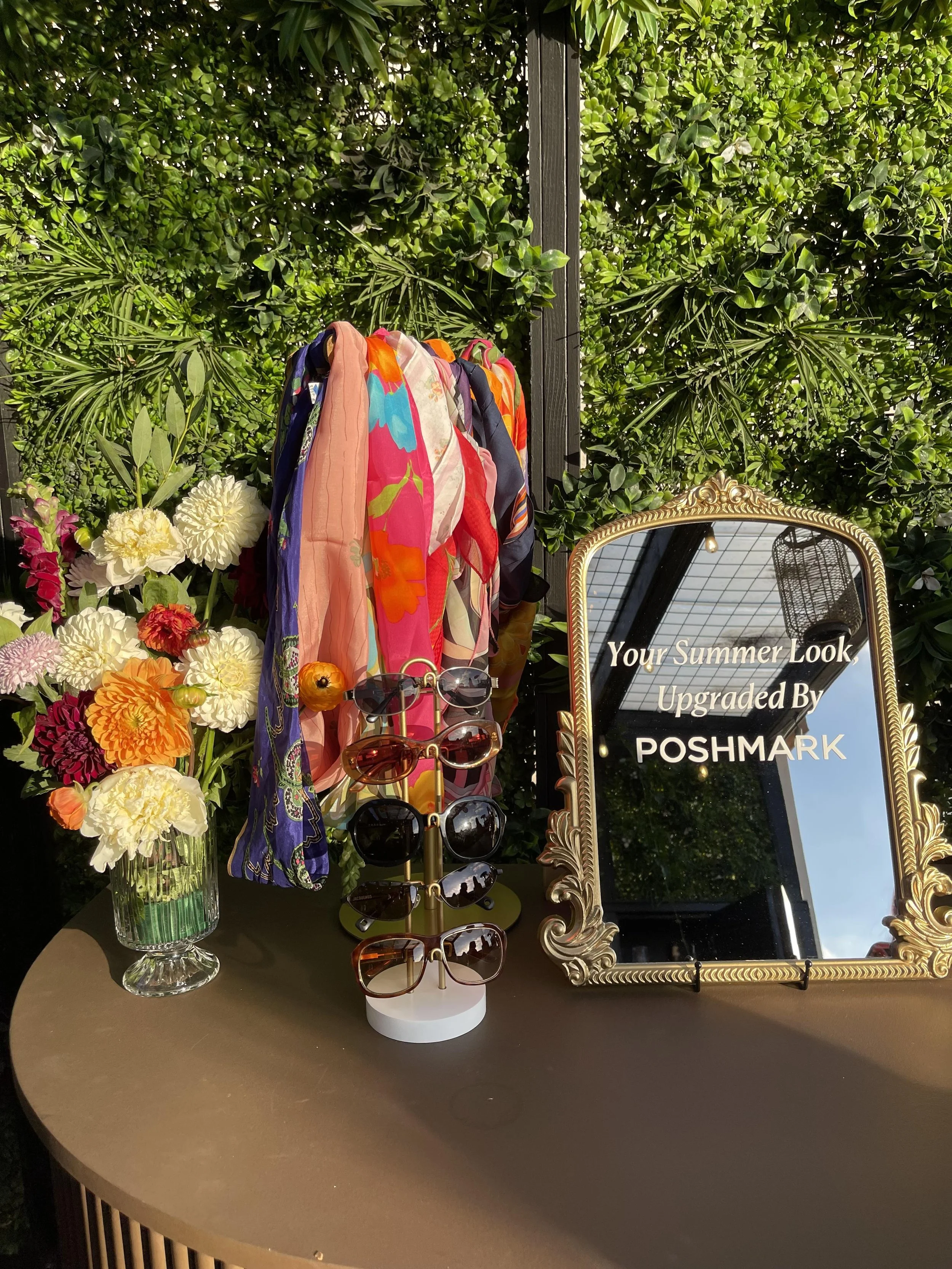
I was invited to the Poshmark summer soirée, where they gifted us a pair of designer glasses and a scarf. I wore that scarf all over Europe! Watch my Poshmark Reel: https://www.instagram.com/reel/DaD0xfvvSFt/
4. Give your clothes a second life.
Just because something doesn’t work for you anymore doesn’t mean it’s reached the end of its life. Sell it, donate it, swap it, or pass it along to a friend who will actually wear it. One person’s “I never wear this anymore” is another person’s new favorite piece.
5. Unsubscribe from the temptation.
That email chain telling you there’s ONLY 6 HOURS LEFT to get 30% off? Unsubscribe. The constant “new arrivals” emails make it way too easy to convince yourself that your closet needs an update every Tuesday. Out of sight, out of cart.
6. Ask yourself before you buy: will I actually wear this?
If you can’t picture yourself wearing it multiple times, styling it different ways, or reaching for it six months from now, it might be more of an impulse than an investment. A little pause before checkout can go a long way.
Take the low-waste mindset beyond your closet
The original Après Sweat list included small swaps I still like: a reusable glass bottle, a Stojo cup or bowl for lunches, Dropps laundry detergent and a silicone straw. They are not closet staples, but the same idea applies: use what you have, choose reusable options when they fit your life and make the better habit easy to repeat.
A quick closet check before you shop
Can I style something I already own a new way?
Could I borrow or rent it?
Can I find it secondhand?
Will I wear it at home, not only on this trip?
Does it work with at least three things I am packing?
At the end of the day, a more sustainable closet doesn’t have to mean having the perfect capsule wardrobe or never shopping again. It’s about being a little more intentional with what we already have - and remembering that the most sustainable piece is often the one you already own.
Why I Care About Sustainability
Taking care of our bodies, our planet and our community has always been part of why I started après sweat. That includes thinking about what we buy, what we wear and what happens to it when we're done. I love fashion, but I don't want a new outfit to be the thing that decides whether I feel happy or fulfilled.
We're constantly being sold the idea that we need more. More clothes, more trends, another outfit for another trip. I'm trying to slow that down and ask what I already have, what I can borrow and what deserves a second life. Borrowing from friends, renting through FashionPass and finding vintage pieces keeps the fun in getting dressed without every occasion becoming a shopping trip.
There's also plastic hiding in our closets. Synthetic fabrics such as polyester are made from plastic, and wearing and washing them can release tiny plastic fibers into the environment. That makes me think differently about the leggings I wear and the clothes I buy.
The Great Pacific Garbage Patch is another reminder that plastic doesn't simply disappear. It's an area of accumulated plastic between Hawaii and California, not a solid island of trash. I don't want to confuse that with a destination for donated clothing. But it makes me ask the same question: where does the stuff we buy go when we're done with it?
Donating clothes can give them another life, but dropping off a bag isn't the end of their story. Goodwill says items that don't sell in stores may move through outlets and then to textile recyclers. Unsold textiles can also be sold to salvage buyers for resale, recycling or export. Donation matters, but it isn't a reason to keep buying things I don't need. For me, a more sustainable closet starts with buying less, taking care of what I own and wearing it again.
What happens after you donate? Goodwill sells donations through their stores and outlets, and that money funds job training and programs that help people get back to work.